Polystyrene sandwich panels are one of the most practical types of sandwich panels, which are widely used in the petrochemical industry. In fact, polystyrene is a type of foam that is used as an insulating core in sandwich panels. In this article, we are going to discuss polystyrene sandwich panels and its related points. Stay with us.
How is polystyrene sandwich panel made?
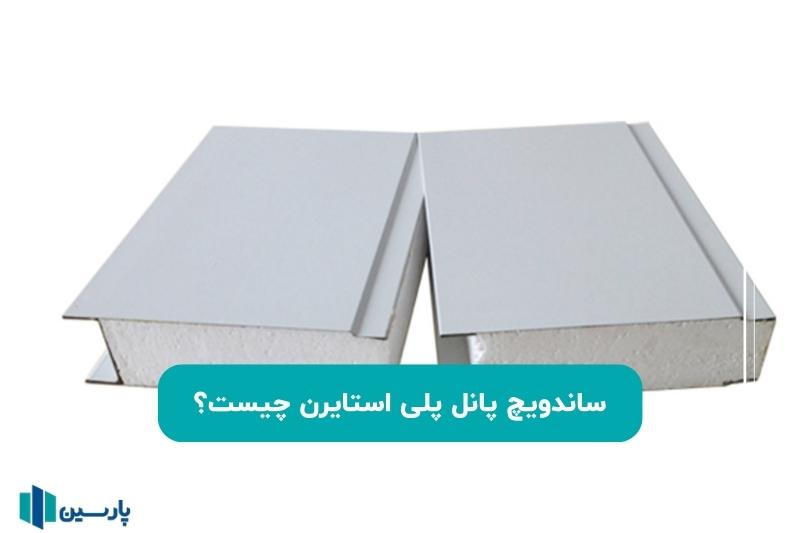
Sandwich panels consist of two metal sections and an insulating foam layer in the middle. Both the sheets used in the construction of the sandwich panel and the insulating core come in different types, which are selected according to the application of the sandwich panels (wall or ceiling sandwich panels as well as the conditions of the place of use).
Polystyrene is a type of insulating foam that is used as an insulating core in the manufacture of sandwich panels and has unique properties such as moisture resistance, good sound and moisture insulation, antibacterial, and anti-corrosion.
It may be interesting to know that polystyrene is exactly the same unolith that you see around you in abundance every day. That is why polystyrene sandwich panels are also called unolith sandwich panels.
Features of polystyrene sandwich panels
Among the unique features of polystyrene sandwich panels is their ability to be produced in a variety of sizes and thicknesses. The standard thickness for making this type of sandwich panel is between 4 and 25 centimeters.
The density of these sandwich panels is 20 to 60 kilograms and can be ordered in various lengths and widths based on customer needs.
Other features of polystyrene foam include its high resistance to water and moisture penetration, as well as its high durability.
Types of polystyrene sandwich panels
Given that there are different types of polystyrene foam, different types of these foams can also be used in the manufacture of sandwich panels. The types of polystyrene sandwich panels include:
- Regular polystyrene
- Expanded polystyrene (EPS)
- Extruded polystyrene (XPS)
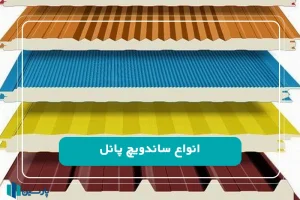
Given that sandwich panels have a variety of uses, polystyrene sandwich panels can be divided into different types based on their type of use, including wall sandwich panels, ceiling sandwich panels, and cold storage sandwich panels.
Application of polystyrene sandwich panels
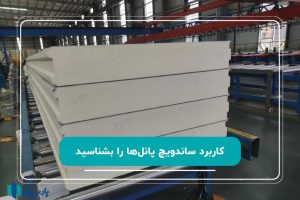
Polystyrene sandwich panels are generally used in the walls or ceilings of industrial structures, the construction of sheds, and the interior or exterior walls of various buildings.
Since polystyrene is a sound-insulating foam, another use for it is in the construction of sports halls or conference halls and sound-control studios.
Another application of polystyrene sandwich panels is its use as false ceilings in various structures.
The most important advantages of polystyrene sandwich panels
Polystyrene sandwich panels have unique features that distinguish them from other types of sandwich panels. In this section, we will mention the most important advantages and features of this type of sandwich panel.
Affordable and cost-effective
The most important point that can be mentioned about the features of this type of sandwich panel is that polystyrene sandwich panels are cheap and affordable. Compared to other sandwich panels, especially polyurethane panels, this type of panel has a much cheaper price despite having almost similar properties.
style
Lightening buildings is one of the most important goals of architects in construction today. Polystyrene panels, with their extremely light weight, are considered one of the best choices in construction.
Flexibility
The flexibility and elasticity of polystyrene sandwich panels is one of the most important reasons for their popularity in the construction of various structures, especially sheds.
Diversity in production
These panels are produced in different thicknesses, dimensions, and densities, so the customer can easily obtain the panels they want according to their intended application.
High resistance
Polystyrene panels are highly resistant to destructive factors such as corrosion, moisture, and ultraviolet rays, which increases their use in various industrial environments and diverse weather conditions.
sound insulation
These panels are good sound insulators, and this feature allows them to be used in sports halls and recording studios.
Disadvantages of polystyrene sandwich panels
These practical sandwich panels, along with all their advantages, also have disadvantages. Knowing these disadvantages helps to make a more informed and practical choice. The most important disadvantages that can be considered for these panels are:
- The structure of polystyrene foam consists of compressed pellets, which naturally have a weak bond compared to other insulating foams in sandwich panel types.
- Most foams used in the manufacture of sandwich panels are a type of heat-resistant insulation with high resistance to direct flame and are called slow-burning or fireproof. However, polystyrene foams are very vulnerable to flame and heat and ignite quickly. Therefore, such sandwich panels are not recommended in industries where there is a possibility of combustion and fire.
Installing polystyrene sandwich panels
Although polystyrene sandwich panels, like other types of panels, have quick and easy installation conditions, their installation requires skill and expertise. That is why it is recommended to entrust the installation of these panels to experts in order to achieve the desired performance and application of these types of sandwich panels.
One of the most important features of this type of panel, which allows for quick installation, is its light weight, especially during transportation and installation at height. In this way, a lot of savings can be made in the time and cost of implementing a structure with polystyrene sandwich panels.
Polystyrene sandwich panel price
These sandwich panels are considered among the cheapest panels on the market, and the reason for their high popularity is their low price compared to other types of sandwich panels. The price of polystyrene sandwich panels depends on various factors such as the type of sheet, its thickness and dimensions, the density of polystyrene foam, the weight of the panel, the brand and manufacturer of the sandwich panel, and the quality of its construction.
summary
Polystyrene sandwich panels are one of the most common and popular types of prefabricated panels in construction. These sandwich panels have many features, including lightness and high strength, good sound and moisture insulation, ease of installation, recyclability, etc., which have made them a modern and practical material. However, compared to other types of prefabricated panels, polystyrene panels have weaknesses that we mentioned in the article.
- 1 glass wool sandwich panel
- 2 sandwich panel thickness
- 3 decorative panel
- 4 rock wool sandiwch panel
- 5 what is clean room sandwich panel
- 6 acid resistant sandwich panel
- 7 types of sandwich panel
- 8 what is cold storage sandwich panel
- 9 concealed fixation joint
- 10 difference sandwich panel poly yurta poly styrene
- 11 corrosion resistant sandwich panel
- 12 aluminium sandwich panel
- 13 advantage and disadvantages of sandwich panel
- 14 fire resistant sandwich panels
- 15 what is modular sandwich panel
- 16 what is polystyrene sandwich panel
- 17 sandwich panel density
- 18 pvc sandwich panel